Audience development · cultural attraction · public-evidence research

Codi Gaudí / Espai Imagina

How can launch visibility become diversified paid audiences — without losing cultural credibility?

Independent portfolio case · Barcelona · 2026. Not commissioned by Espai Imagina, Mediapro or UPC.
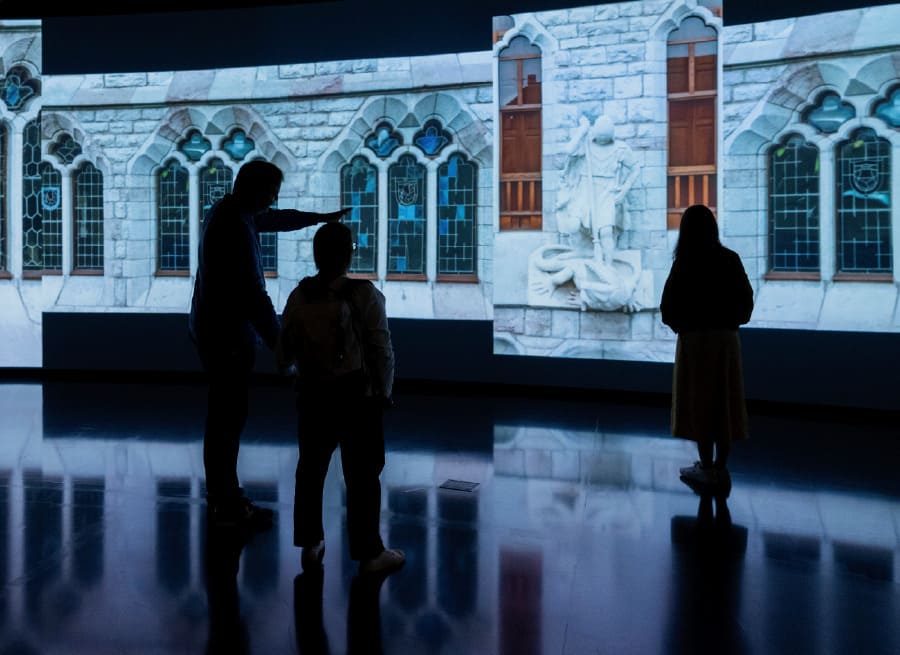
Visitors inside Codi Gaudí at Espai Imagina
Project image: Espai Imagina / Codi Gaudí.

The question

How can Codi Gaudí convert launch visibility into diversified paid audiences — families, schools, tourists, Gaudí/culture visitors and local residents — while reducing barriers around price, timing, accessibility, XR expectations and perceived tourist-trap risk?

The case uses public evidence only: Espai Imagina visitor information and pricing, institutional material, Barcelona tourism context and comparable cultural/immersive attractions. No internal ticketing, survey or interview data was available.

Audience landscape

Barcelona familiesShared plan + learning + novelty. Main friction: weekend value and XR confidence.
SchoolsCurriculum relevance + structured learning. Main friction: teacher effort and logistics.
International touristsDistinctive Gaudí discovery. Main friction: itinerary competition and tourist-trap risk.
Local cultural audiencesNovelty + city relevance. Main friction: “Gaudí is for tourists” and saturation.
Architecture & designProcess, geometry and research depth. Main friction: fear of superficial spectacle.

Four findings

Price changes the family equation.

The public family pack rises from €37.50 on Monday to €69.50 at weekends — precisely when local families have more availability.

The strongest differentiator is not “immersive”.

The defendable proposition is research-backed access to Gaudí’s creative system and unbuilt projects, supported by the UPC Gaudí Chair.

XR creates value and uncertainty.

Mixed/virtual reality can raise perceived value, but age guidance, comfort, accessibility and headset expectations need clearer pre-visit framing.

Small information inconsistencies create friction.

Public-facing pages have surfaced conflicting practical details. For a timed-ticket attraction, consistency is part of conversion confidence.

What to test

Resident-value proposition
Use low-demand inventory as an audience-development tool, not only a pricing mechanism.
Segment-specific purchase paths
Different proof, FAQs and calls to action for families, schools, tourists, locals and specialist audiences.
Academic credibility earlier in conversion
Bring the UPC research, original plans and unbuilt-project story closer to the purchase decision.
XR expectation-setting
Explain what uses headsets, age guidance, intensity and accessible alternatives before checkout.
School acquisition pipeline
Translate existing educational intent into teacher-facing learning outcomes, materials and booking logistics.
View full 9-page research PDF →

Research discipline

The case separates four levels: evidence directly supported by public sources; interpretation derived from that evidence; hypotheses that need testing; and research gaps that cannot be resolved without internal data or primary research.

The full PDF includes the benchmark set, prioritised experiments, audience-focused KPIs and the primary research plan that would follow with client access.